
What advising a brewery from scratch taught me
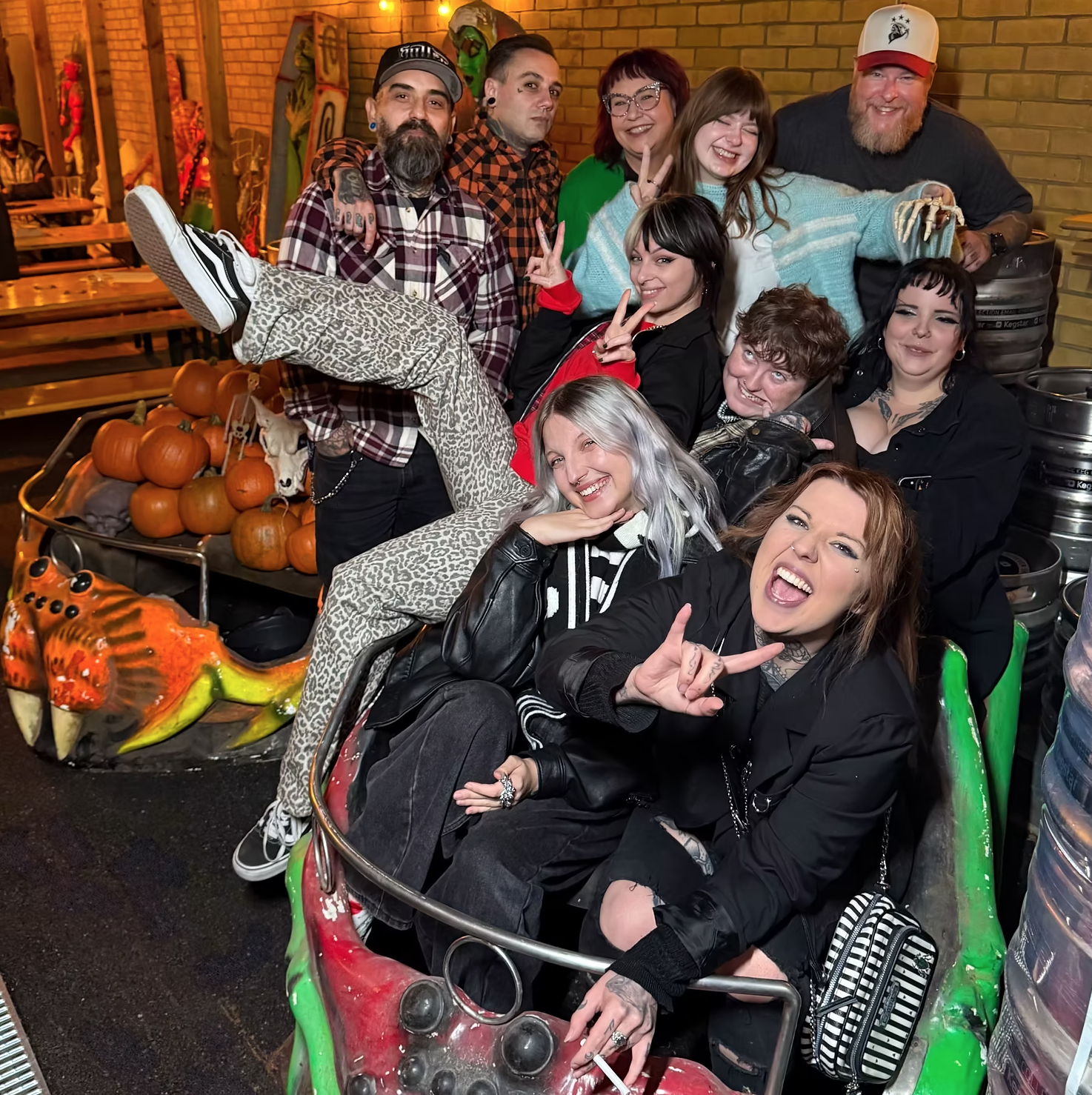
Image credit: Werewolf Beer Co.
ln 2018, a founder came to me with a fledgling business concept: a craft brewery in Camden, built around a love of great beer and a very particular cultural world.
Eight years later, Werewolf Beer is a thriving, growing business with a loyal community that extends beyond north London to an international fan base. And while tasty beer is obviously central to that story, I'd argue it isn't the most important part.
The most important part is culture.
From the beginning, Rich White — Werewolf's founder — had an instinct that his brewery was about more than what was in the glass. It occupied a particular cultural space: psychobilly, punk, Americana gas station aesthetics, ghost trains and shlock-horror, a spirit of independent irreverence that felt genuinely distinct from the polished, algorithmic sameness of so much modern brand-building.
However, to make his vision fly, a strategy was needed that took that cultural identity seriously — and the commercial backbone to make it viable long-term.
That's where The Loop came in. Over eight years, working across brand development, sales, marketing, operations and two rounds of fundraising, we helped Rich build something that I think of as a culturally intelligent business: one that understands the values, behaviours and shared references of its community, and organises itself around them consistently.
In practice, this meant an events programme that was never purely promotional. Think horror movie bingo nights. Spicy chilli tastings that would wake the dead. Gothic book launches with underground cult authors. Vampire MCs and gory comic stories. Each one an authentic expression of the world Werewolf Beer inhabits, and an open invitation to anyone who shares it. Rich's genuine commitment to supporting community fundraisers and gatherings — causes he actually cares about — added a layer of warmth and integrity that no marketing budget can replicate.
The community that formed around this wasn't built through advertising. It was built through belonging.
And belonging, it turns out, is very good for business. Word of mouth accelerated. Google reviews multiplied. Organic social media lit up. Regulars became advocates. Visitors came from far and wide because they felt, before arriving, that they already knew what Werewolf was about and that it was for them.
Rich recently reflected on the journey this way: "The guidance provided by The Loop has been invaluable to Werewolf Beer, from concept, start-up, to growth. Susanne gets the best out of us not only as an enthusiastic supporter for our brand identity and community building but also as a pragmatic advisor, willing to speak to the reality of the current business climate as well as my professional and personal blindspots."
I'm sharing this story because it illustrates something I've come to believe more firmly with each year of practice: that cultural intelligence — the ability to understand and work with the values, identities and shared meanings that animate your community — is not a soft or peripheral concern. It is one of the most commercially powerful assets a growing business can develop.
My own positioning, as a consultant who brings 25 years of commercial experience together with cultural intelligence honed during my recent masters studies, sits deliberately at this intersection.
Because in the best businesses, commercial rigour and cultural sensitivity aren't in tension.
They're what make each other work.
Interested in going on a business journey similar to Werewolf Beer’s? Then check out my 360 Consulting Programme to access support for your business with planning, funding and brand culture development